News Types
SB 902: Making Child Care Access Easier for Families
Learn how SB 902 would simplify child care paperwork, reduce barriers for families, and support timely payments for providers.
Update: Senate Bill 902 was signed by the Governor on Sunday, September 20!
Thank you for your support on this bill. Stay tuned to our social media for more.
__
In June, Robyn Altamirano—a parent of a child with complex child care needs—testified before the Assembly Human Services Committee in support of SB 902. She highlighted how flexibility is especially vital for parents navigating additional administrative hurdles due to their children’s unique needs. Allowing electronic signatures will reduce burdens for families while improving agency efficiency. You can listen to Robyn’s full testimony here. The bill now moves to the Assembly Appropriations Committee on August 5th, followed by a final vote on the Assembly Floor in the coming weeks.
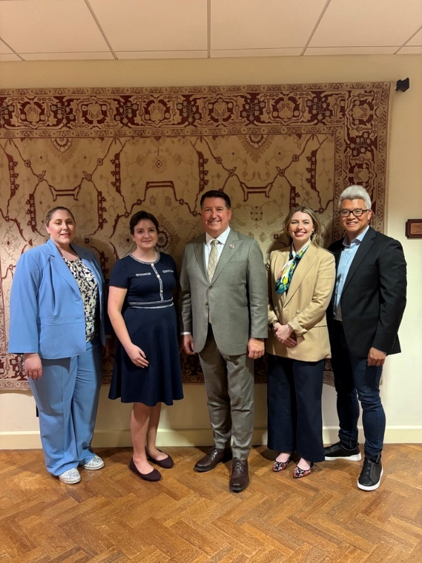
As the legislative session draws to a close, we are committed to advancing our cosponsored bill, SB 902 (Grayson), is signed by Governor Newsom. SB 902 is a practical, common-sense update that would make it easier for families to access subsidized child care by allowing required forms to be signed and submitted electronically.
For many families, staying connected to child care depends on completing paperwork throughout the year to maintain eligibility. When those forms require in-person or paper signatures, parents may have to miss work, travel long distances, or wait longer for care—challenges that can be especially difficult for families in rural communities or with unpredictable schedules. These delays can put a family’s child care at risk and can also delay payments to providers who are doing the essential work of caring for children every day. SB 902 would remove these unnecessary barriers by allowing families to use electronic signatures, just as they already do for housing, health care, and employment documents, while still keeping paper options available for families who prefer them.
By reducing paperwork delays, SB 902 helps families stay connected to care, supports providers in being paid on time, and allows the state to more efficiently spend existing child care dollars that are already appropriated but too often held up by administrative processes. This is a practical, low-cost fix that improves access without expanding bureaucracy.